Better Safer Working

The Vital Role of Fire Doors: Importance, Inspection, and Maintenance
6/7/20264 min read
Understanding Fire Doors and Their Importance
Fire doors play a crucial role in enhancing the fire safety protocols of buildings. They are specifically designed to limit the spread of smoke and flames, providing essential protection for both occupants and property. By allowing designated escape routes, fire doors are instrumental in facilitating a safe and orderly evacuation during emergency situations. Furthermore, they act as barriers that help maintain a building's structural integrity, preventing the rapid escalation of a fire.
The design and installation of fire doors are governed by strict regulations to ensure maximum effectiveness. Typically constructed from fire-resistant materials, such as steel or gypsum, these doors are fitted with specialized hardware that allows them to close automatically in the event of a fire. This automatic closing feature is vital, as it ensures that openings do not remain unsealed, thereby reducing the potential for smoke and flames to infiltrate different areas of the building.
Adhering to fire safety regulations is not just a legal obligation but a moral imperative. Fire doors, when properly maintained and regularly inspected, can save lives and minimize property loss. In many cases, the presence of effective fire doors can significantly impact the outcome of a fire emergency. They provide critical time for occupants to evacuate and for firefighters to respond, potentially making the difference between life and death.
In summary, the importance of fire doors cannot be overstated. They serve as a vital component of any fire safety strategy, allowing for the protection of escape routes, limiting the dissemination of flames and smoke, and safeguarding structural integrity. Regular inspection and maintenance of these doors are essential to ensure they function correctly when required, thus playing a significant role in overall firefighting efforts and safety protocols.
Key Inspection Procedures for Fire Doors
Fire doors play a crucial role in the safety of any building, serving as barriers that help contain fires and prevent their spread. Regular inspections are imperative to ensure that these safety features function effectively and comply with relevant regulations. A systematic inspection process involves several key procedures that must be adhered to for optimal performance.
Firstly, it is essential to verify the overall functionality of the fire doors. This includes checking that the door opens and closes correctly without any hindrances. Doors should swing freely, and any obstructions such as furniture or equipment must be removed to prevent interference. Regular operational checks help to identify any mechanical failures that could compromise the door’s integrity during a fire emergency.
Another critical aspect of fire door inspection is to assess the condition of the seals. Fire doors are equipped with intumescent seals or smoke seals that expand when exposed to high temperatures. Inspectors must ensure these seals are adequately in place, undamaged, and capable of creating a tight closure that will effectively limit smoke and fire spread. Any deterioration in these seals undermines the fire door's purpose and must be addressed immediately.
Additionally, verifying that all hardware components—such as hinges, closers, and locks—are properly installed and functioning is vital. Any loose fixtures should be tightened, and damaged components must be replaced promptly to maintain the door's operational integrity. Regular checks of the hinges and the mounting of the door are essential to ensure they remain secure and effective over time.
Lastly, consistent documentation of these inspection procedures is necessary for compliance with legal obligations and maintaining a record of safety standards. Conducting these inspections routinely not only enhances the safety of the building occupants but also fulfills regulatory requirements, ultimately contributing to the overall fire safety strategy of the facility.
The Importance of Properly Closing Fire Doors
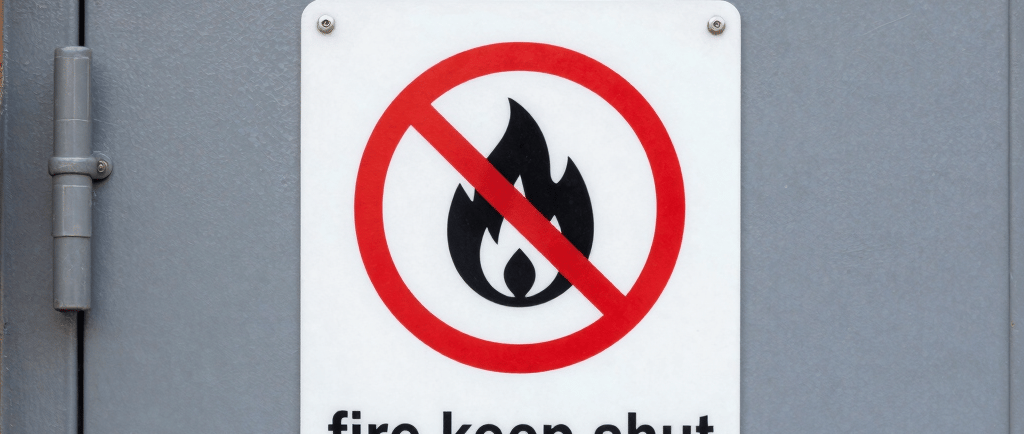
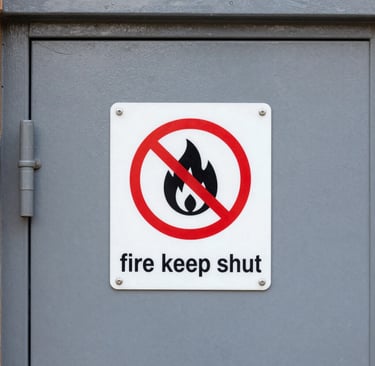
Fire doors serve as critical safety barriers designed to restrict the spread of flames and smoke during a fire incident. However, this protective function can only be effective if the doors are properly closed at all times. Open fire doors pose a significant risk, providing an uninterrupted pathway for fire and smoke to migrate throughout a building, potentially endangering the lives of occupants and complicating firefighting efforts. It is therefore paramount that all fire doors remain closed unless they are in use.
The dangers of open fire doors cannot be overstated. According to fire safety regulations, a fire door needs to remain closed to create a compartmented structure that helps contain fires and protects evacuation routes. An open fire door allows for the rapid movement of fire, increasing the chances of extensive property damage and heightening the risk of injury during emergencies. Furthermore, it compromises the building’s overall fire safety strategy, as the effectiveness of the entire fire protection plan relies heavily on having these doors closed when they are not in active use.
To ensure that fire doors are always closed, organizations should implement several strategies. Firstly, conducting regular awareness training for all staff is essential. Employees must understand the crucial role fire doors play and be trained to keep them closed whenever possible. Visual reminders, such as signage indicating that fire doors must remain closed, can further reinforce this message. In addition to training and signage, it might also be helpful to install self-closing mechanisms, which can drastically reduce the risk that doors will be inadvertently left open. Combining these measures can significantly enhance fire safety within a building.
Best Practices for Maintaining Fire Doors
The proper maintenance of fire doors is crucial for ensuring safety in any building. Fire doors serve as essential barriers designed to slow the spread of fire and smoke, thus protecting occupants and minimizing property damage. Regular maintenance is paramount to keep them in optimal condition. One of the most significant best practices is to refrain from wedging fire doors open. This action can compromise their effectiveness, preventing them from performing their intended function during an emergency.
Regular cleaning of fire doors is another simple yet effective maintenance tip. Dust and debris can accumulate on both the door and the frame, obstructing their operation. Using mild detergents and cleaning agents will help maintain the door's integrity and appearance without damaging the fire-resistant materials. Additionally, it is important to inspect the door regularly for any obstructions, such as furniture or equipment, that could hinder its closure or functionality.
Furthermore, routine checks should be conducted to ensure that all components of the fire door, such as hinges, locks, and seals, are in good working condition. If any parts are worn or malfunctioning, prompt repairs or replacements should be executed. An effective inspection process should also involve assessing the door for any physical damage, such as dents or cracks, which may impair its performance.
Neglecting fire door maintenance can have severe consequences, including increased risk of fire spread and reduced occupant safety. By adhering to these best practices, organizations demonstrate their commitment to fire safety. Regular attention to fire doors not only complies with safety regulations but also provides peace of mind, knowing that measures are in place to protect lives and property when it matters most.